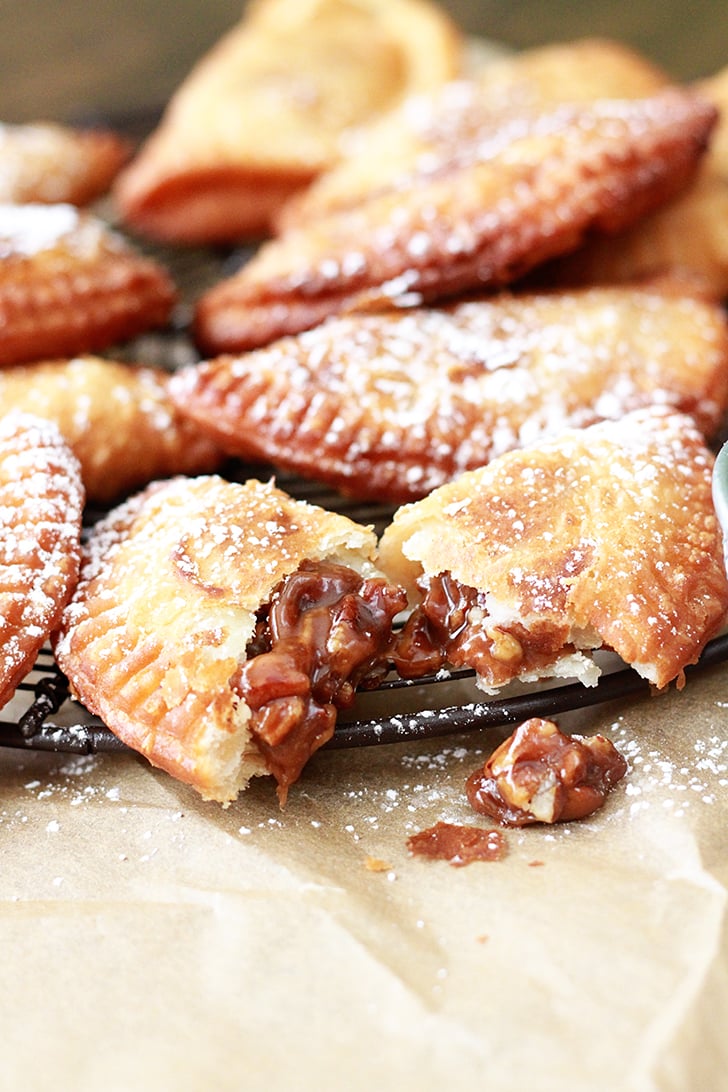
Crispy, Golden Perfection: Master Southern Fried Pie Delights
There are some culinary treasures that transcend mere recipes, becoming woven into the very fabric of family history and regional identity. Southern fried pies are precisely that kind of delight. More than just a dessert, these fruit-filled pockets of golden, crispy goodness evoke a profound sense of nostalgia, comfort, and tradition. From the first bite of their flaky crust to the burst of sweet and tart fruit within, southern fried pies offer a taste of heritage that has been passed down through generations, celebrated in kitchens across the South. Whether you're seeking to recreate a cherished family memory or discover a new favorite sweet treat, mastering the art of these beloved hand pies is a deeply rewarding experience.The Heart of the South: A Culinary Legacy in Every Bite
For many, the memory of southern fried pies is inextricably linked to the warmth of a grandmother's kitchen. Imagine the scene: the aroma of sweet fruit simmering, the gentle thud of dough being rolled, and the sizzle of pies as they hit hot oil. These pies are a testament to resourcefulness and love, often born from seasons of abundance when fresh apples, peaches, pears, or cherries needed to be preserved or enjoyed. Grandmother Verdie's heirloom recipe, for instance, wasn't just a set of instructions; it was an invitation to participate in a culinary ritual, a chance to be the first "taste-testers" of a fresh batch, ensuring they were "just right" with a glass of cold milk. The act of making and sharing these pies is a profound cultural touchstone. It's about more than just food; it's about storytelling, connection, and keeping traditions alive. These fruit-filled pies represent a simpler time, a moment to slow down and savor. From the meticulous care taken in preparing a traditional, scratch-made dough to the knowing smile when the first pie emerges golden and bubbly, every step is infused with a sense of purpose and love. When you bite into a perfect southern fried pie, you're not just tasting fruit and crust; you're tasting generations of history, the comfort of home, and the enduring spirit of Southern hospitality.Crafting Your Golden Crust: Dough Secrets & Filling Fantasies
The foundation of any exceptional southern fried pie lies in its dough and filling. While the end result is a humble, rustic pastry, the choices made in these initial stages profoundly impact the final crispiness and flavor profile.Dough Deliberations:
The "secret" to that signature crispiness often starts with the dough. You have a few excellent options, each with its own merits:
- Homemade Pie Dough: For the purists and those with time, a soft, sturdy, and flaky homemade pie dough is often preferred. Recipes like Grandmother's heirloom version often call for this. A good dough for fried pies should be robust enough to hold the filling without tearing, yet tender enough to become wonderfully flaky and bubbly when fried. Some traditional recipes even incorporate buttermilk into the dough, which contributes to a uniquely light, crispy, and subtly tangy crust. For a deep dive into creating this classic foundation, explore Grandmother's Heirloom: Authentic Southern Fried Pie Recipe.
- Homemade Biscuit Dough: Similar to pie dough but often slightly richer and more tender, homemade biscuit dough can also yield fantastic results.
- Canned Biscuits: For an incredibly quick and easy shortcut that doesn't sacrifice much on taste, canned biscuits are a revelation. They transform into golden, flaky pockets in minutes, making southern fried pies an everyday indulgence rather than a special occasion treat. If time is of the essence, learn how to leverage this ingenious trick with Quick & Easy Southern Fried Pies: The Canned Biscuit Shortcut.
Filling Fantasies:
The filling is where the true heart of the pie shines. While Grandmother Verdie often preferred dried fruit for its concentrated flavor and consistency, fresh fruit is equally delightful, and canned fillings offer convenience.
- Traditional Fruits: Apples, peaches, pears, and cherries are perennial favorites. When using fresh fruit, remember to cook it down slightly to achieve the perfect balance of sweet and tartness. This also helps prevent the pies from becoming too watery.
- Dried Fruit: Rehydrating dried fruit (like apples or peaches) yields a rich, intense flavor and a thicker consistency, which Grandmother preferred. This choice also often reflects historical practicality, as dried fruit was readily available year-round.
- Canned Pie Filling: The ultimate shortcut for fillings, canned fruit pie filling is ready to use and delivers consistent flavor, perfect for those "zero patience" moments.
- Flavor Enhancements: Don't forget spices! A sprinkle of cinnamon, nutmeg, or a hint of allspice can elevate your fruit filling, adding depth and warmth.
- Moisture Management: Regardless of your fruit choice, ensure your filling isn't overly wet. Excess moisture can lead to soggy pies or blowouts during frying.
The Art of the Fry: Achieving Crispy Perfection
Frying is the technique that distinguishes these Southern delicacies from their baked counterparts, imbuing them with an irresistible crispiness and a beautiful golden hue. It's a straightforward process, but a few key tips will ensure your homemade fried pies reach their full potential.Preparation for Frying:
- Shape and Seal: Roll your chosen dough (or flattened canned biscuits) into thin rounds. Place a dollop of filling on one half, leaving a border. Fold the other half over and crimp the edges firmly with a fork to create a secure seal. This prevents the filling from escaping during frying.
- Choose Your Frying Medium: Vegetable oil, canola oil, or even shortening are common choices. Ensure you have enough oil in your heavy-bottomed skillet (cast iron is excellent here) to partially submerge the pies.
- Temperature Control is Key: Heat your oil over medium heat. The ideal temperature is usually around 350-375°F (175-190°C). If the oil is too cool, the pies will absorb too much oil and be greasy; if it's too hot, they'll brown too quickly on the outside and remain raw on the inside. You can test the oil with a small piece of dough – it should sizzle gently.
The Frying Process:
Carefully place a few pies into the hot oil, ensuring not to overcrowd the skillet. Fry for 2-4 minutes per side, or until they achieve a gorgeous, even golden-brown color and are wonderfully crispy. Use tongs or a slotted spatula to gently flip them.
Grandmother Verdie's Skillet Secret:
This is perhaps one of the most crucial tips for achieving consistently delicious results: about halfway through frying all your pies, or whenever you notice the butter (or cooking fat) in your skillet becoming too browned, take a quick break. Carefully pour out the browned oil, wipe the skillet clean with a paper towel, and add fresh oil before continuing. This simple step prevents your later batches of pies from absorbing a burnt taste from the residue in the skillet, ensuring every fried pie has a clean, pure flavor and a perfect golden crust. It's a small effort that makes a huge difference in the overall quality of your batch.
Draining: Once golden and crispy, remove the pies from the oil and place them on a wire rack lined with paper towels to drain any excess oil. This helps maintain their crisp texture.
Serving Up Sweet Memories: Presentation & Preservation
The moment your southern fried pies emerge from the skillet, glistening and aromatic, is truly special. They are best enjoyed warm, allowing the filling to remain soft and the crust perfectly crispy.Serving Suggestions:
- Plain Perfection: Often, the simple beauty of a warm fried pie, fresh out of the oil, is all you need. Its inherent sweetness and a satisfying crunch are delightful on their own. Just like tasting with Grandmother, a glass of cold milk is the perfect accompaniment.
- Sweet Dusting: A light dusting of powdered sugar, perhaps mixed with a hint of cinnamon, adds an elegant finish and an extra touch of sweetness.
- A Scoop of Comfort: For an indulgent experience, serve your warm fried pie alongside a scoop of vanilla bean ice cream. The contrast of warm pie and cold, melting ice cream is heavenly.
- Beyond the Basics: Consider a drizzle of caramel sauce, a dollop of freshly whipped cream, or even a spiced fruit compote on the side to elevate your presentation.
Preservation & Enjoyment Anytime:
Southern fried pies are remarkably versatile when it comes to storage:
- Room Temperature: Once completely cooled, store your pies in an airtight container at room temperature for up to 2-3 days. Reheat gently in a dry skillet or toaster oven to regain some crispness.
- Freezing for Future Feasts: These pies freeze exceptionally well, making them perfect for meal prep or impromptu dessert cravings. Lay cooled pies in a single layer on a baking sheet to flash freeze until solid, then transfer them to a freezer-safe bag or container for up to 2-3 months. Thaw at room temperature and reheat, or reheat from frozen in an oven until warmed through and crispy. This makes them an ideal candidate for lunchboxes or a quick sweet indulgence without waiting for a special occasion.
Whether you choose the time-honored traditional route or opt for a convenient shortcut, the essence of southern fried pies remains the same: a delicious, comforting, and deeply satisfying treat that brings joy to any table. This isn't just a recipe; it's an invitation to create your own cherished memories, one crispy, golden bite at a time.
